

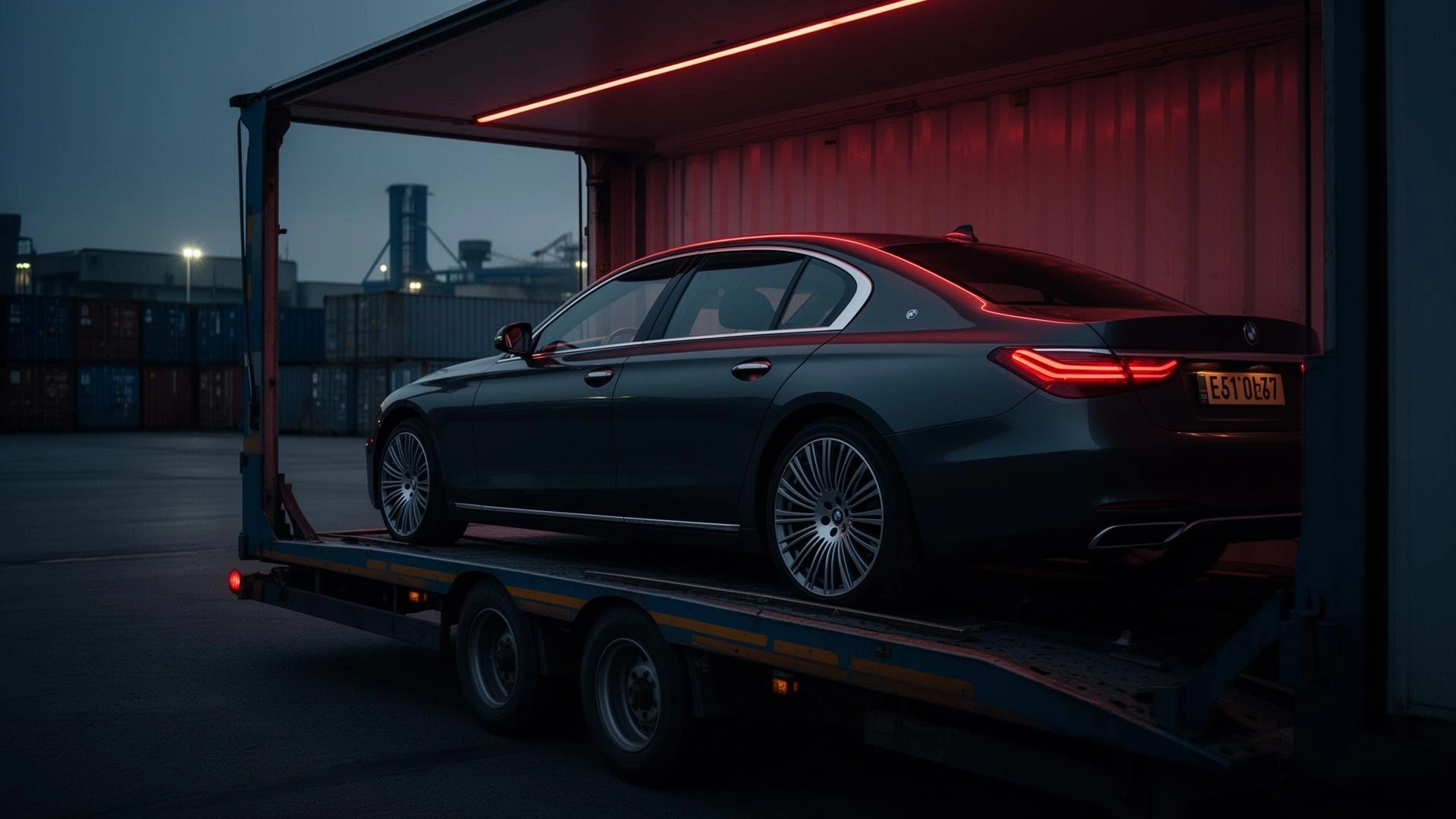
Your vehicle is covered — here's exactly how
Every carrier dispatched by CarShippers.ai carries FMCSA-mandated cargo insurance. Here's what that means for your car, what the Bill of Lading protects, and what to do if something goes wrong.
Who holds the insurance — and what it covers
Understanding auto transport insurance starts with one key fact: CarShippers.ai is an FMCSA-licensed auto transport broker (MC #1624892 · DOT #4208679). As a broker, we coordinate your shipment — the carrier (the company that operates the truck) holds and administers the cargo insurance policy that protects your vehicle during transit.
Every carrier we dispatch is vetted for active insurance before your vehicle is assigned. CarShippers.ai verifies carrier operating authority and insurance status through FMCSA records before dispatching any shipment. If a carrier's insurance lapses, they are removed from our network.
CarShippers.ai — the broker
We match your vehicle to a vetted, FMCSA-licensed carrier. We verify insurance, coordinate dispatch, and support you through the claim process if damage occurs. We do not hold the cargo insurance policy.
Your assigned carrier
The company operating the truck holds the cargo insurance policy. Their coverage is active from the moment the pickup Bill of Lading is signed until the delivery BOL is signed at your destination.
The Bill of Lading
The BOL is the legal document that records your vehicle's condition at pickup and delivery. It is the foundation of any damage claim — without it, a claim cannot proceed. Both you and the driver sign it at pickup and again at delivery.
Federal requirements
FMCSA regulations require all licensed auto transport carriers to carry active cargo insurance as a condition of operating authority. Carriers without active insurance cannot legally operate — or be dispatched by CarShippers.ai.
Auto transport insurance — what's covered and what's not
Carrier cargo insurance covers your vehicle while it is in the carrier's custody. Here's what that includes — and what falls outside the policy.
| Situation | Covered? | Notes |
|---|---|---|
| Damage from a road accident | ✓ Covered | Carrier liability applies while vehicle is in custody |
| Damage from road debris (open carrier) | ✓ Covered | Must be documented on delivery BOL before driver leaves |
| Damage during loading or unloading | ✓ Covered | Carrier is liable while vehicle is being loaded/unloaded |
| Theft of the vehicle | ✓ Covered | While in carrier's custody and custody is documented |
| Pre-existing damage | ✗ Not covered | Must be noted on pickup BOL — this is why inspection matters |
| Personal items left inside the vehicle | ✗ Not covered | Do not leave valuables, electronics, or personal items in the car |
| Acts of God (floods, hail, tornado) | ✗ Not covered | Standard carrier policy exclusion — check your personal auto policy |
| Damage not noted on delivery BOL | ✗ Not covered | Damage must be documented on the BOL before the driver leaves |
| Mechanical or electrical failure | ✗ Not covered | Pre-existing mechanical issues are excluded |
Important: Damage not documented on the delivery Bill of Lading before the driver leaves is extremely difficult to claim. Do not sign the delivery BOL until you have inspected your vehicle thoroughly. If you note damage, write it on the BOL in detail before signing.
Does enclosed transport provide better coverage?
Both open and enclosed shipments are covered by carrier cargo insurance. The difference is in physical protection — not in whether insurance applies.
Open carrier transport
Your vehicle is loaded on an open multi-car trailer alongside other vehicles. Carrier cargo insurance applies in full. Exposure to weather and road debris is higher, but the vast majority of open carrier shipments complete without incident.
- Carrier cargo insurance active from BOL to BOL
- Best for everyday vehicles and standard relocations
- Lowest cost option — used for 90%+ of U.S. shipments
Enclosed transport
Your vehicle ships inside a fully enclosed trailer, protected from weather, road debris, and UV exposure. Carrier cargo insurance applies in full. Carriers running enclosed trailers typically carry higher coverage limits due to the higher-value vehicles they haul.
- Carrier cargo insurance active from BOL to BOL
- Recommended for high-value vehicles, classics, and exotics
- 40–60% higher cost than open carrier
How to file a damage claim, step by step
If your vehicle arrives with damage that wasn't present at pickup, follow these steps immediately. Acting quickly and correctly protects your claim.
- 1
Inspect your vehicle before signing the delivery BOL
Before the driver leaves, walk around the entire vehicle and compare its condition to the pickup Bill of Lading. Check all panels, glass, wheels, and the undercarriage. Take photos from multiple angles in good lighting.
Critical: Do not sign the delivery BOL until you have completed your inspection. A signed BOL without damage noted is treated as acceptance of the vehicle in the condition delivered.
- 2
Document all damage on the delivery BOL
Write a clear description of every new damage item directly on the delivery BOL — be specific about location, size, and type. Both you and the driver sign the annotated BOL.
Tip: If the driver refuses to allow damage notation or pressures you to sign a clean BOL, do not sign. Contact CarShippers.ai immediately at +1(937) 238-6889..
- 3
Email damage@carshippers.ai within 24 hours
Send copies of your signed pickup BOL, signed delivery BOL with damage noted, and timestamped photos of all damage to damage@carshippers.ai within 24 hours of delivery. A repair estimate is optional. CarShippers.ai will open a support case and coordinate with the carrier on your behalf.
- 4
File a written claim with the carrier directly
Per federal regulations (49 CFR Part 370), damage claims must be filed in writing with the carrier within 9 months of delivery. CarShippers.ai will provide the carrier's claims contact information.
Note: Cargo claims are administered by the carrier, not by CarShippers.ai. Our role is to advocate on your behalf and facilitate communication with the carrier's claims department.
- 5
Get a repair estimate
Obtain a written repair estimate from a licensed auto body shop. This document is required to determine the claim value.
Keep all receipts, estimates, and correspondence until the claim is fully resolved.
The Bill of Lading — why it matters more than anything else
The Bill of Lading is the single most important document in your car shipment. It is your legal receipt and the foundation of any damage claim. Here's how to use it correctly.
At pickup
You and the driver inspect the vehicle together and document its condition — every scratch, dent, chip, and blemish. Both parties sign the pickup BOL. Your signed copy is your baseline record of the vehicle's pre-transport condition.
At delivery
The same inspection happens again. Compare the vehicle's current condition to the pickup BOL. Any new damage must be written on the delivery BOL before you sign. This notation is what makes a damage claim possible.
Photo documentation
Take photos at both pickup and delivery — before and after. Focus on all panels, glass, wheels, and the undercarriage. Timestamped photos from your phone significantly strengthen any damage claim.
Keep your copies
CarShippers.ai links your pickup BOL from your tracking dashboard. Keep your own copies of both BOLs and all photos until at least 12 months after delivery — longer if a claim is in progress.
Your pickup BOL is uploaded to your CarShippers.ai tracking dashboard within 2 hours of vehicle pickup. Your delivery BOL follows within 24 hours of drop-off. Both are available as downloadable PDFs at any time.
Does your personal auto insurance cover car shipping?
This is one of the most common questions before booking. The short answer: most personal auto policies do not cover damage that occurs during professional vehicle transport.
Check your personal policy before shipping. Every auto insurance policy is different. Contact your insurer directly and ask whether your policy covers damage during professional vehicle transport.
Personal auto insurance — typical coverage
Most personal auto policies cover damage while you are driving the vehicle. Professional transport is typically excluded because the vehicle is in a third party's custody.
Carrier cargo insurance — primary coverage
The carrier's cargo insurance is the primary protection during transport. This policy is mandated by the FMCSA and covers damage that occurs while the vehicle is in the carrier's custody, from signed pickup BOL to signed delivery BOL.
If you have specific concerns about coverage for a high-value, luxury, or classic vehicle, enclosed transport is the recommended option. Contact us at +1(937) 238-6889. for guidance before booking.
Questions about coverage or a damage claim?
Our team is available 24/7. For active damage claims, email damage@carshippers.ai with your BOLs and photos attached.
damage@carshippers.ai
For all damage claims. Attach your pickup BOL, delivery BOL, and photos. We'll open a case within 4 hours on weekdays.
Call +1(937) 238-6889.
24/7 support line. For urgent situations — damage at delivery, driver refusing BOL notation, or missing documentation.
support@carshippers.ai
For general insurance questions, carrier verification requests, or pre-shipment coverage questions.
Common insurance questions
Answers to what every customer asks about coverage, claims, and the Bill of Lading.
Yes. Every carrier in the CarShippers.ai network is required to carry active FMCSA-mandated cargo insurance before being dispatched on your shipment. CarShippers.ai is a licensed auto transport broker (MC #1624892) — the carrier holds and administers the insurance policy that covers your vehicle during transit.
The carrier holds the cargo insurance policy. CarShippers.ai is an FMCSA-licensed broker, not a carrier. Our role is to match you with a vetted, insured carrier and support you through the claim process if needed. Cargo claims are filed directly with the carrier.
Carrier cargo insurance covers damage to your vehicle that occurs while it is in the carrier's custody — from the moment the pickup Bill of Lading is signed to the moment the delivery BOL is signed. This includes damage from accidents, road debris, and loading or unloading incidents. It does not typically cover pre-existing damage, acts of God, or personal items left inside the vehicle.
The Bill of Lading (BOL) is the legal document that records your vehicle's condition at pickup and delivery. It is the foundation of any damage claim. If damage is noted at delivery that was not present at pickup, it must be documented on the delivery BOL before the driver leaves.
Note any new damage on the delivery Bill of Lading before the driver leaves. Then email damage@carshippers.ai within 24 hours with photos of the damage and copies of both your pickup and delivery BOLs. Per federal regulations (49 CFR Part 370), written claims must be filed with the carrier within 9 months of delivery.
Most personal auto insurance policies do not cover damage that occurs during professional vehicle transport. The carrier's cargo insurance is the primary protection. Contact your personal insurer to confirm your specific policy terms before shipping.
Enclosed transport provides greater physical protection for your vehicle from weather and road debris. The insurance structure is the same — carrier-held cargo insurance applies to both open and enclosed shipments. Carriers running enclosed trailers typically carry higher coverage limits due to the higher-value vehicles they haul.
CarShippers.ai is an FMCSA-licensed auto transport broker (MC #1624892 · DOT #4208679), verified on FMCSA SAFER. We work exclusively with carriers who carry active FMCSA operating authority and cargo insurance. For damage claims, email damage@carshippers.ai within 24 hours of delivery.