

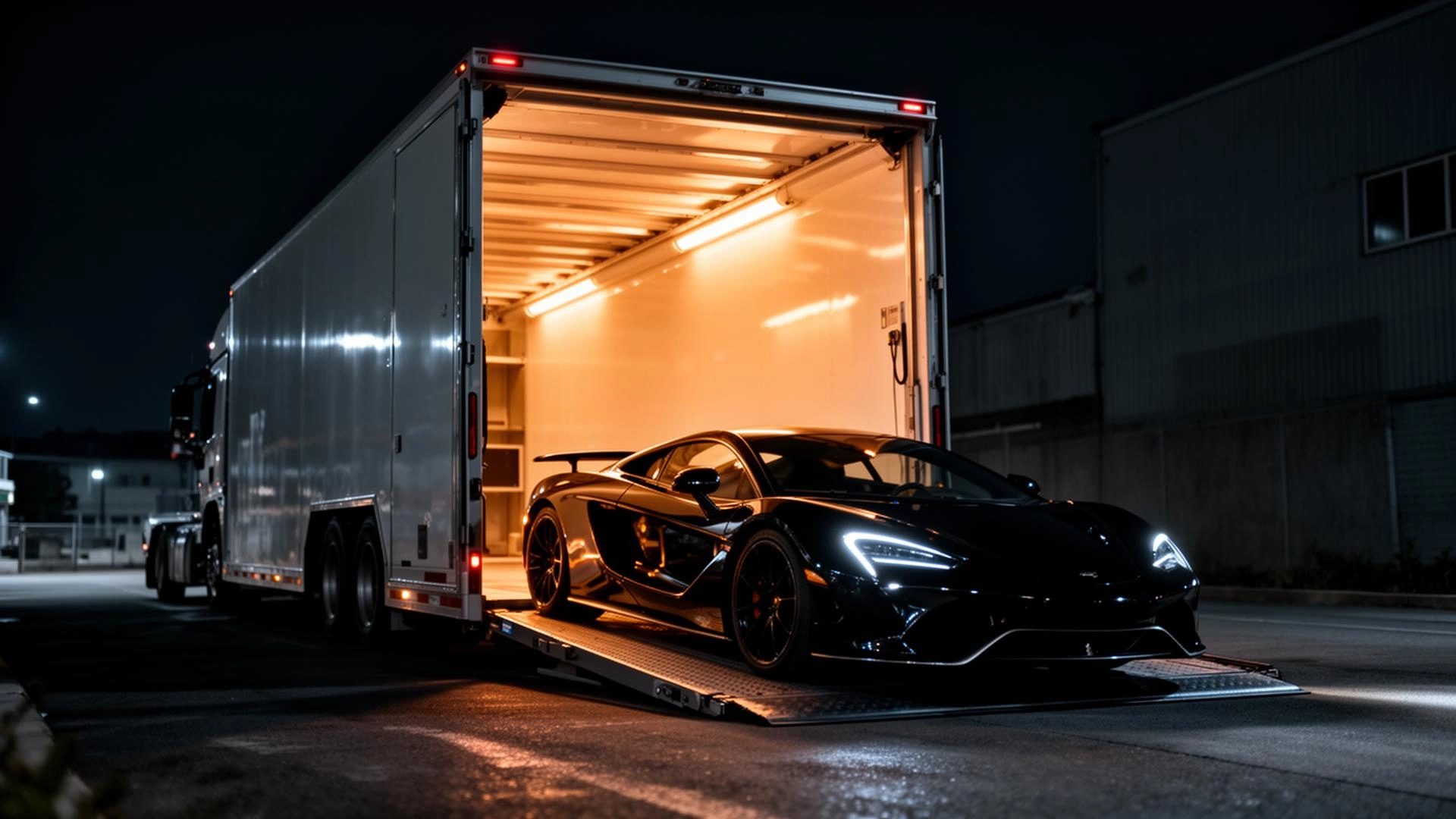
Electric Vehicle Shipping — Tesla, Rivian, Lucid & All EV Models
Ship your EV with carriers who actually know your model. EV-certified carriers, battery charge protocols, Tesla Transport Mode guidance, soft-strap loading, and a model-specific checklist on every shipment.
We wait up to 24 hours for the right EV carrier instead of assigning a generic transporter.
- EV-certified carrier required
- Soft-strap loading (no chains)
- Model-specific pre-ship checklist
- Tesla Transport Mode guidance
- Rivian air-suspension prep
- Lucid Air low-clearance handling
Model-specific quote in 30 minutes · No obligation · 48-hour price hold
- 4.9★ from 487 EV Owners
- EV-Certified Carriers Only
- Soft-Strap Loading Standard
- Tesla · Rivian · Lucid · Lightning
- Model-Specific Checklist
What Is EV Shipping — And Is It Safe for the Battery?
Does shipping an electric vehicle damage the battery? No — when shipped correctly, the battery arrives in the same condition it left. But many standard auto transport companies do not follow proper EV handling protocols. EV shipping requires specialized loading, battery charge prep, soft-strap handling, and carrier experience because EVs like Tesla, Rivian, Lucid, Ford Lightning, and Silverado EV have different weight distribution and underbody battery placement than gas vehicles.
Models we ship:
- Tesla Model 3 · Model Y
- Tesla Model S · Model X
- Rivian R1T · R1S
- Lucid Air
- Ford F-150 Lightning
- Chevy Silverado EV
Every shipment includes EV-certified carriers, model-specific protocols, Transport Mode guidance where required, and honest open vs enclosed recommendations based on your specific model, route, and protection needs.
Why EV Owners Choose CarShippers.ai
EV-Certified Carrier Network
Our carrier filter requires verified EV handling experience — battery charge protocol knowledge, Tesla Transport Mode familiarity, and soft-strap loading standards. Carriers without EV certification are excluded from EV shipments, even if it means waiting up to 24 hours for the right carrier.
Model-Specific Pre-Ship Checklists
Before pickup, you receive a checklist tailored to your specific EV — battery charge recommendations, Tesla Transport Mode steps, Sentry Mode instructions, frunk/trunk clearance, and air suspension preparation for Rivian and Lucid models.
Soft-Strap Loading Protection
Tesla, Rivian, and Lucid vehicles often have low ground clearance and underbody battery packs. Soft-straps secure the wheels rather than the chassis, helping protect the battery enclosure and underside components during loading and transport.
Honest Open vs Enclosed Recommendations
Model 3, Y, Lightning, Silverado EV, and standard Rivian configurations commonly ship safely on open carriers. Model S Plaid, Lucid Air, and premium configurations are often better suited for enclosed. We recommend based on your model — not to upsell.
How EV Shipping Works
Tell Us Your EV's Make, Model & Year
Select Tesla, Rivian, Lucid, Ford Lightning, Chevy Silverado EV, or any other EV. The quote automatically identifies model-specific considerations including Transport Mode requirements, Rivian air-suspension prep, and Lucid Air low-clearance loading guidance.
Get Matched With an EV-Certified Carrier
Our system filters carrier availability by verified EV transport experience, soft-strap loading capability, and route availability. Once matched, you receive a model-specific preparation checklist covering charge, Transport Mode, Sentry, and additional handling notes.
Prepare, Ship & Track in Real Time
Complete the pre-shipping checklist before pickup — charge level, Transport Mode activation where required, cargo area clearance. Your EV is loaded using EV-safe soft-straps and monitored throughout transit with live tracking updates.
Booking takes minutes — not days of phone tag.
EV Shipping Cost & Pricing Examples
The price you see is the price you pay. No surprise carrier upgrades. Pricing is held for 48 hours from quote.
| Distance Band | Avg $/Mile (Open) | Typical Use Case |
|---|---|---|
| Open · standard EV (Model 3/Y, Lightning, Silverado EV) | Standard open + $0–$100 | Cost-effective default on most routes |
| Open · low-clearance / air-suspension EV (R1T, R1S, S) | +$50–$150 over standard | Soft-strap and air-suspension protocol required |
| Enclosed · premium EV (S Plaid, Lucid Air, premium R1T) | +30–50% over open | High-value cross-country shipments |
- EV model, size, and vehicle weight
- Open vs enclosed transport selection
- EV-certified carrier availability on your route
- Seasonal demand and weather conditions
- Soft-strap and specialty loading requirements
- Air-suspension preparation (Rivian / Lucid)
- Low-clearance loading equipment
- Battery charge level coordination
Premium EV (S Plaid, Lucid Air)? Consider enclosed and — better protection against weather, debris, and low-clearance loading risks on cross-country routes..
Standard Open vs EV-Certified Shipping
| Feature | STANDARD CARRIER | EV-CERTIFIED |
|---|---|---|
| Loading | Standard straps (any carrier) | Soft-strap only · wheel nets |
| Battery protocol | Not coordinated | Charge level + Transport Mode guidance |
| Carrier pool | Any open carrier | EV-certified only (15–20% of pool) |
| Premium | Base rate | +$0–$150 open · +30–50% enclosed |
| Best for | Gas vehicles | Tesla, Rivian, Lucid, Lightning, all EVs |
| Air suspension | Not handled | Pre-ship guidance included |
EV-certified carriers cost only marginally more than standard open — but for vehicles with underbody battery packs and low clearance, the protocol difference matters.
Ship Your EV With Carriers Who Actually Understand EVs
Battery charge protocols, Tesla Transport Mode guidance, soft-strap loading, air-suspension preparation, and a model-specific checklist on every shipment.
- EV-Certified Only
- Soft-Strap Standard
- Model-Specific Checklist
- Transport Mode Guidance
- 48-Hour Price Hold
Does shipping damage the EV battery?
What battery charge before pickup?
Open or enclosed for my EV?
Electric Vehicle Shipping FAQs
No. When proper EV shipping procedures are followed, the battery remains safe during transport. EV-certified carriers follow battery-safe loading and transport procedures throughout the shipment.
We recommend keeping your EV battery between 20% and 50% before transport. This level is ideal for loading, unloading, and transport safety. Your specialist confirms the exact target for your model in the pre-ship checklist.
Transport Mode reduces battery drain and disables certain systems while the vehicle is on the carrier. Your pre-ship checklist includes step-by-step menu navigation. Enable Transport Mode, disable Sentry Mode, and clear the frunk before pickup.
Yes. Rivian trucks require soft-strap loading and air-suspension transport-height preparation. Our carrier filter matches operators with Rivian-specific handling experience on your route.
Yes. Lucid Air low-clearance underbody and battery placement require soft-strap wheel nets — never chain loading on the chassis. Enclosed transport is commonly recommended for Lucid Air on cross-country routes.
Most Tesla Model 3, Model Y, Rivian, and Ford Lightning shipments travel safely on open. Premium EVs like Lucid Air and Tesla Model S Plaid are commonly recommended for enclosed. We recommend based on your model — not to upsell.
In Transport Mode the battery management system is largely inactive during transit. Cold-weather routes may add modest seasonal pricing; your specialist notes any lane-specific guidance at booking.
Tesla Model 3/Y open: from ~$560 on short routes to $900–$1,500 coast-to-coast. Model S open: $600–$1,600 coast-to-coast (+$50–$100 EV filter). Model S Plaid enclosed: $1,200–$2,200 coast-to-coast. Quotes are held for 48 hours.
Corporate EV Fleet Shipping & Relocation
As companies transition to EV fleets, scalable transport for recurring relocations, dealer moves, and multi-vehicle EV dispatch.
- EV dealerships & OEMs
- Corporate EV fleet operators
- Rental EV fleets
- Subscription EV services
- Recurring EV relocations
- Multi-vehicle EV moves
- EV-certified carrier network
- Dedicated fleet account management
- Consolidated invoicing
- Pickup & delivery condition reports
- Model-specific handling protocols
Also popular with EV owners


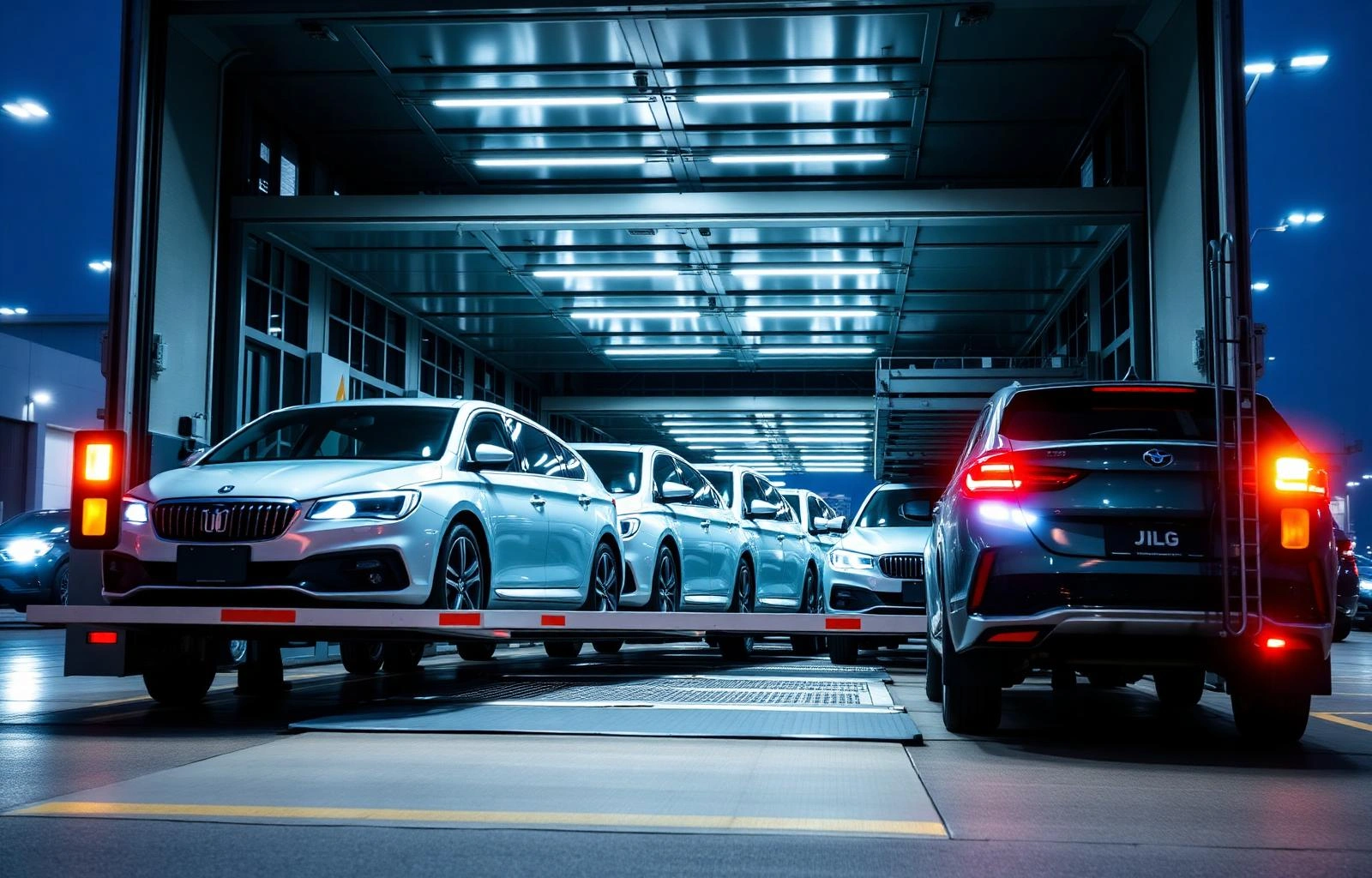


Ship Your EV With Confidence
EV-certified carriers, soft-strap loading, model-specific protocols, and an honest open-vs-enclosed recommendation for your exact vehicle.
- EV-Certified Carriers Only
- Soft-Strap Loading
- Tesla Transport Mode Guidance
- Model-Specific Checklist
- 48-Hour Price Hold